


Breast enlargement is known in medicine as augmentation mammoplasty.The patient's breast volume is increased using artificial implants.The place of their introduction are areas of the body located below or above the pectoral muscles.The price of augmentation mammoplasty varies depending on the physiological characteristics and desires of the woman.
What is Mammoplasty?
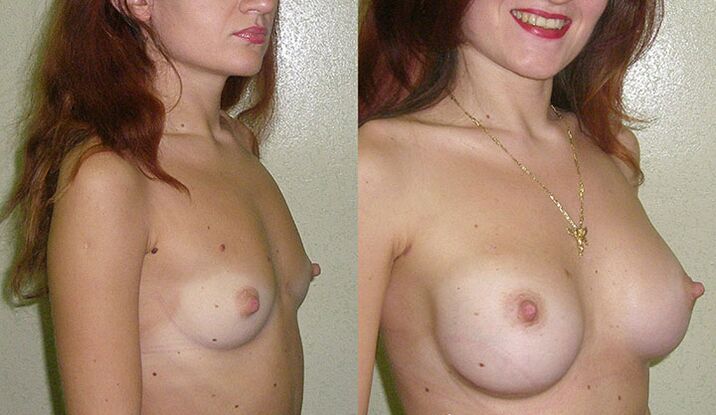
Surgical breast augmentation is considered the most reliable method of creating breasts of the desired shape and size.Thanks to this procedure, it is possible to solve psychological and aesthetic problems, add femininity to the figure and increase self-esteem and self-confidence (pictures below - breast enlargement before and after).
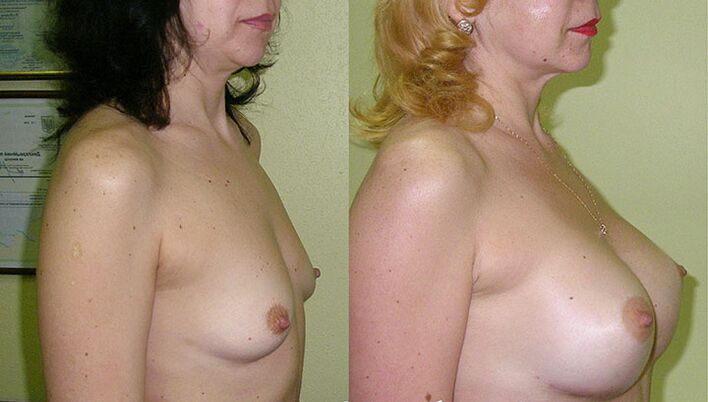
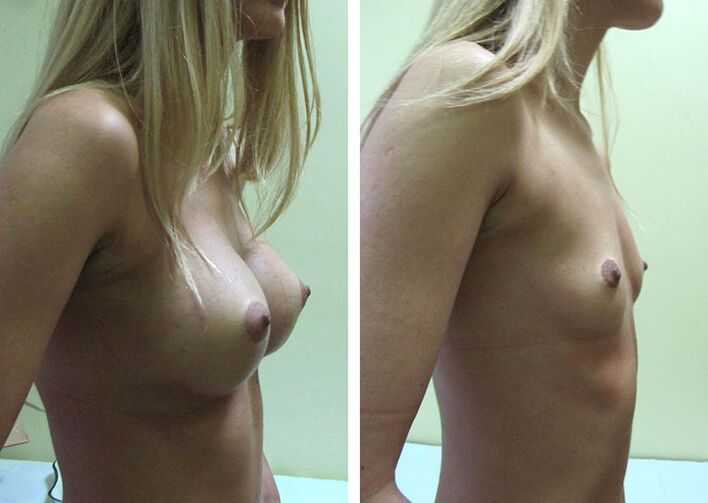
Augmentation mammoplasty uses high-quality implants of different shapes and sizes.When creating a new breast, the physiological characteristics of each patient are taken into account.Specialists use unique 3D devices to show you what the future bust will look like.
It is important to know that it is impossible to change the size and shape of the mammary glands using other methods (exercises, special creams).The only guaranteed way to acquire a breast with the desired parameters is breast enlargement.
Indications for mammoplasty
Augmentation mammoplasty is indicated for the following categories of patients:
- Representatives of the fair sex who naturally have small mammary glands;
- Women who experience a deterioration in breast shape and volume after the birth of a child;
- Patients with congenital or acquired asymmetry of the mammary glands.
The operation is also performed after injuries to the chest area when replacement of implants that have already been inserted is necessary.
Which implants are used?
During breast enlargement, specialists use implants with high-quality silicone fillers.They consist of an elastic cover with increased strength and a viscous gel of medical grade, which acts as an analogue of natural fabric.
After mammoplasty, the implants do not cause any discomfort.They are completely compatible with the human body and do not cause any undesirable reactions, cancer or other diseases.Each implant contains thick, cross-linked silicone inside.
The high quality of the implants used guarantees the absence of waves, wrinkles, shell cracks and silicone leaks.
What you need to know
Before carrying out the procedure, you must consider the following points
- Mammoplasty does not solve the problem of sagging breasts - in this case, an additional procedure (mastopexy) is required.
- The results of augmentation do not always last a lifetime.In the future, it may be necessary to replace one or two implants at the same time.
- In slim patients, the edges of the silicone insoles may be more pronounced.
- If the mammary glands are asymmetrical, it is quite difficult to achieve their completely identical shape - even after the operation, differences invisible to the eye remain.
Preparing for breast enlargement
Before undergoing breast augmentation, you must properly prepare:
- 2 weeks before the operation, stop taking hormonal drugs, stop smoking or reduce the number of cigarettes to 1-2 per day;
- in the 7 days before mammoplasty, avoid alcohol, exclude spicy, fatty and salty foods from the menu;
- The evening before surgery, completely refuse to eat.
It is important to tell your surgeon about any medications you are taking before surgery.In the preparation phase for mammoplasty, the price for breast enlargement must be negotiated.
On the day of surgery, you should wear comfortable clothing that does not restrict your breasts and have documents, test results and personal care products with you.
Stages of breast enlargement surgery
Augmentation mammoplasty is performed under general anesthesia.After putting the patient into a sleep state, the surgeon makes an incision in the skin through which he creates a “pocket” for inserting the implants.The location of the incision may be the fold under the breast (submammary fold), the area around the areola (periareolar incision), or the armpit region.
The doctor then places the implant in the desired area of the body (between the breast tissue and the pectoral muscles, behind the pectoral muscle).The entire process takes 60-90 minutes.
How does recovery occur after mammoplasty?
It may take up to several weeks for complete recovery from mammoplasty.After 7-14 days, the sutures are removed (if they were not soluble).
During the rehabilitation period, it is recommended to wear a sports bra around the clock.It can be removed 3 months after surgery.
Additionally, the patient is recommended:
- Avoid lifting heavy objects for 30 days;
- avoid physical activity and intensive sports training for at least 1 month;
- Protect scars from direct sunlight all year round.
A few months after mammoplasty, the breasts acquire a natural appearance (see below - photo of breast enlargement).
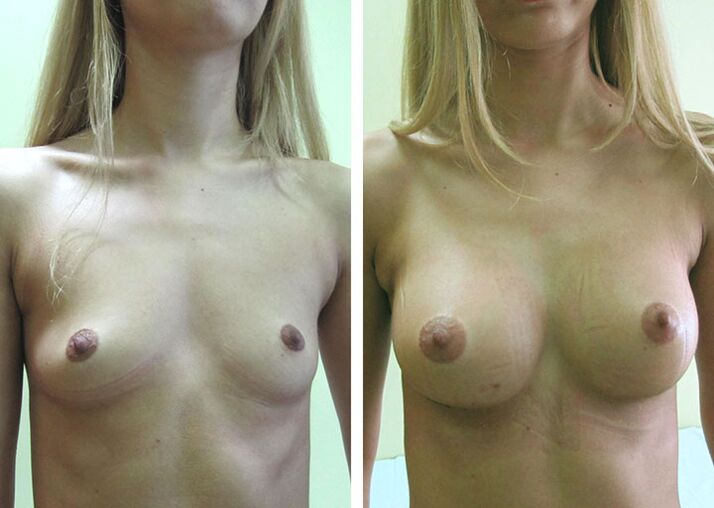
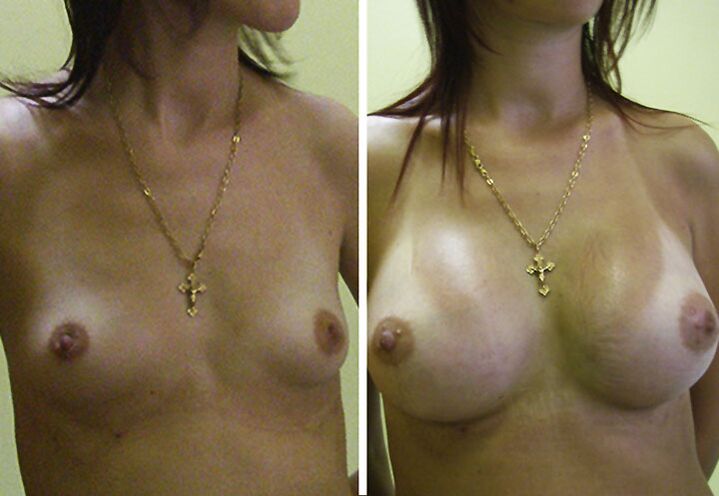
After that, you can stop wearing a sports bra and gradually switch to regular underwear.
Side effects of breast enlargement include swelling, temporary pain, and hardness.They usually disappear after a few weeks.
Are you breastfeeding after mammoplasty?
Even if a woman has had breast enlargement, breastfeeding is still possible.Patients planning pregnancy and breastfeeding after mammoplasty must inform the surgeon.The specialist will select the type of operation that will not have a negative impact on future lactation.In this case, it would be best to make an incision under the glands or in the armpits and place the implants under the large pectoral muscles.In this case, the possibility of feeding the baby with breast milk is fully preserved.
Breast augmentation surgery, which involves a transareolar approach with an incision at the edge of the areola, is not recommended for expectant mothers.This procedure can lead to complications (aseptic mastitis).
The surgeon will definitely inform the patient about the existing methods of plastic breast enlargement and recommend the safest option of mammoplasty.
How much does breast enlargement cost?
A specialist can reveal the full price for breast enlargement after carefully examining the individual characteristics of the patient.Its size is influenced by the type and quality of implants used, as well as the need for additional elevation.